01 / Brick
Keep the bond.
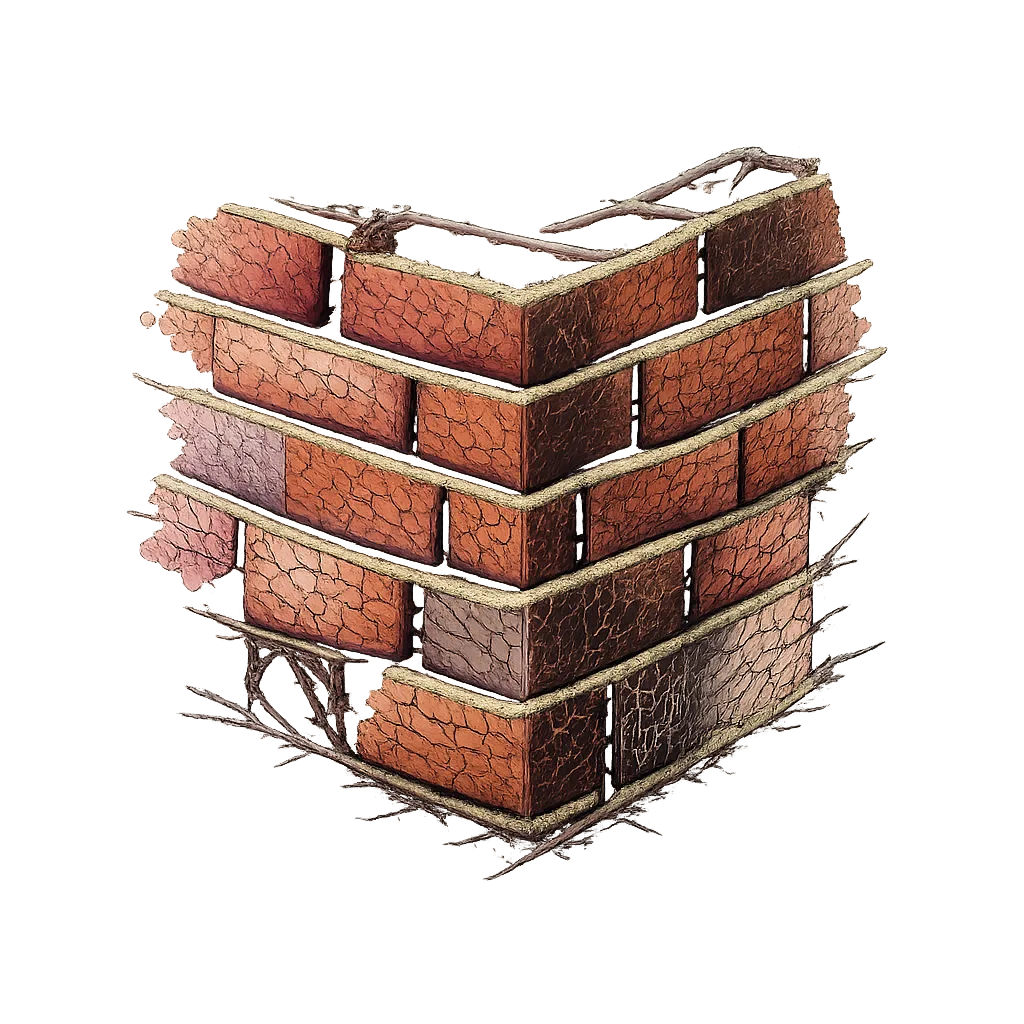
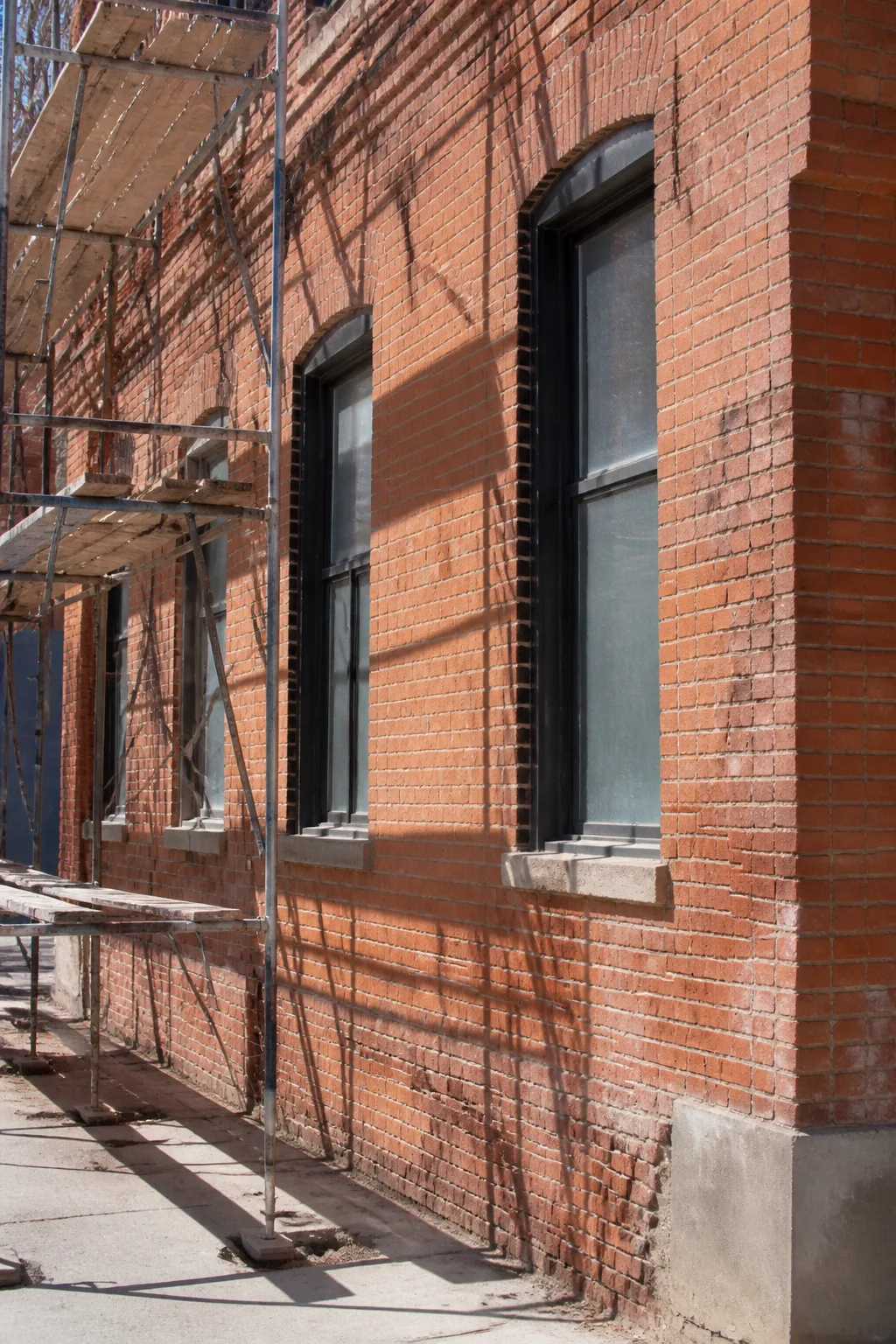
Damaged units are assessed alongside the courses and details that hold them in place.
Every brick, stone and joint has a part to play. Look closer at the details that guide a considered repair.
Damaged units are assessed alongside the courses and details that hold them in place.
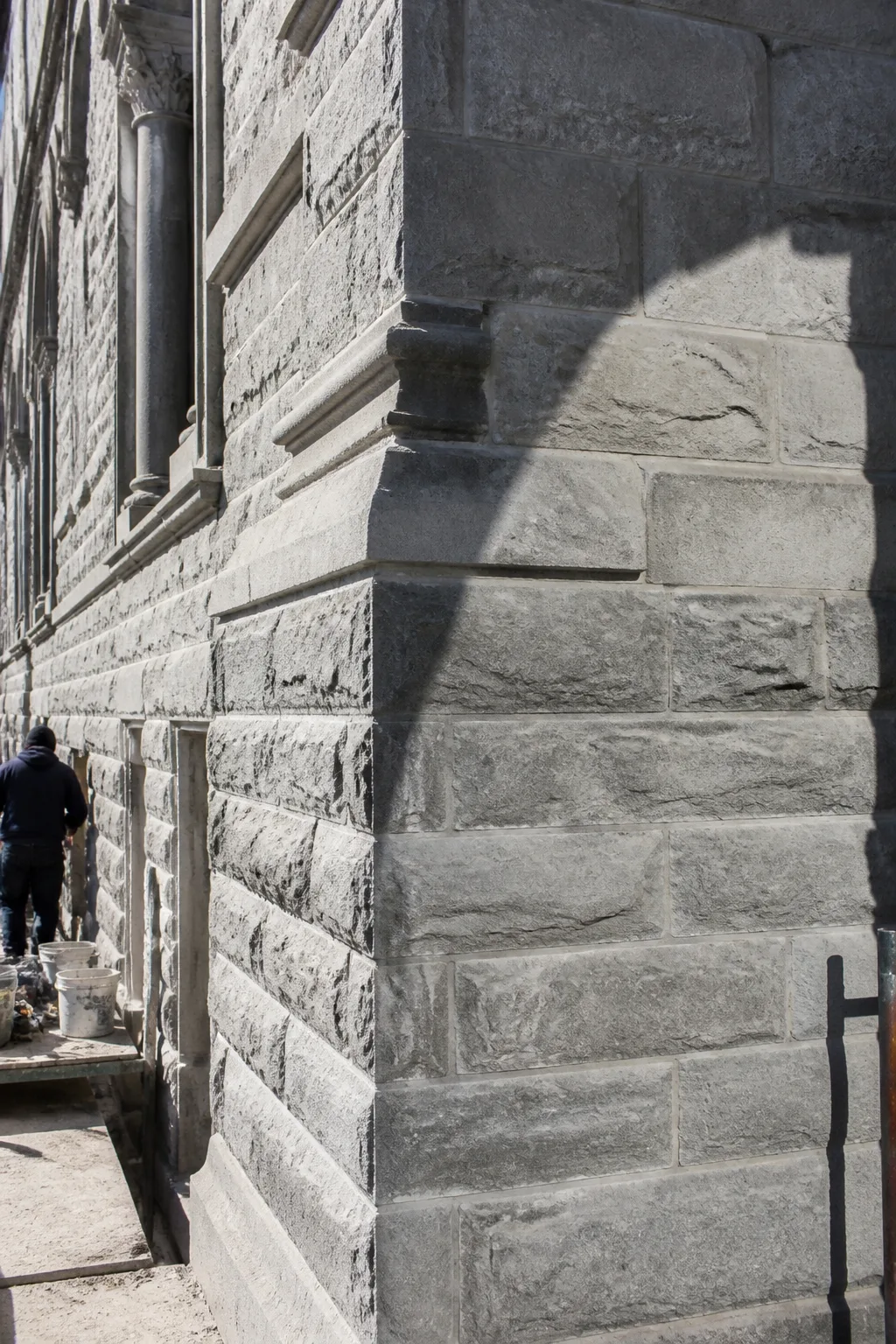
Worn edges and open joints call for an understanding of the stone around them.
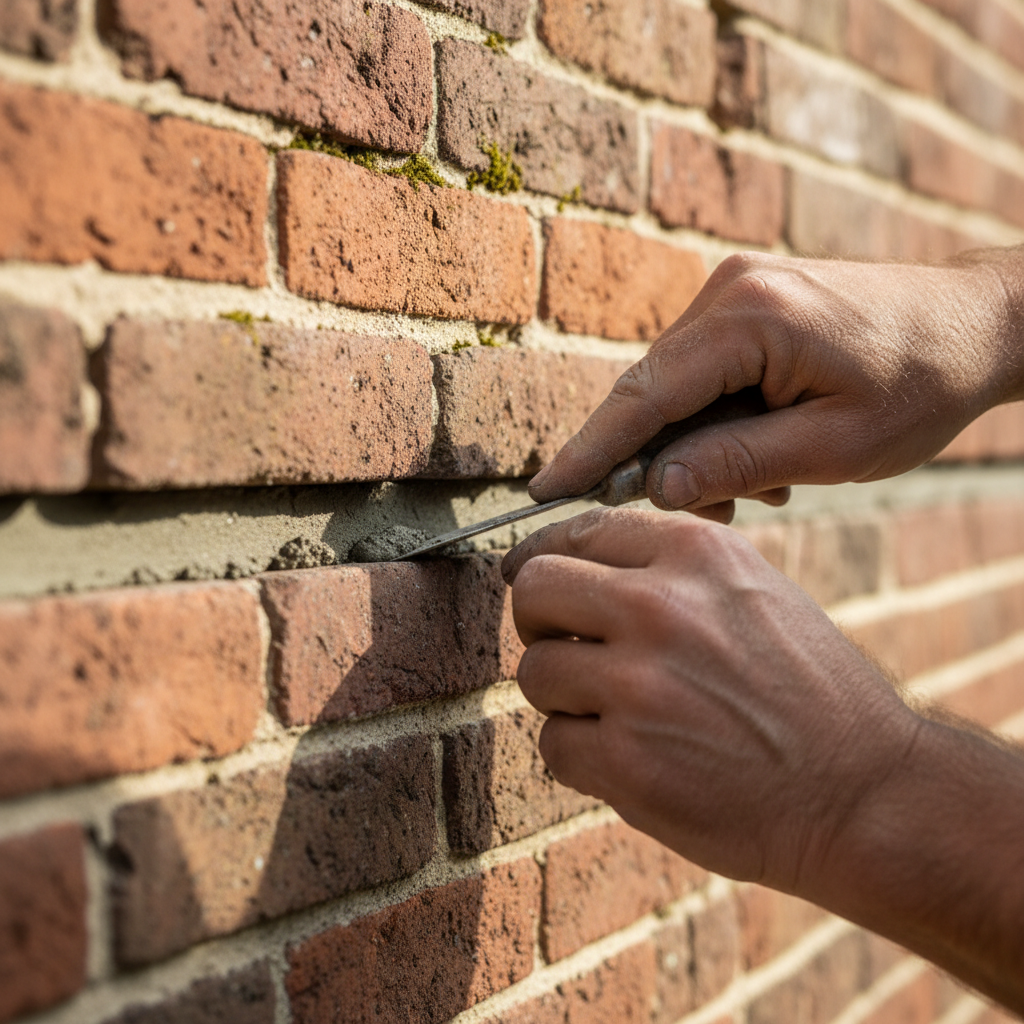
Compatible mortar and a careful finish let new work sit beside old masonry.
A loose brick or crumbling joint may be the visible part of a wider problem. We look at nearby masonry, water movement and earlier repairs before deciding what needs attention.
Then we select materials and finish the work so the repair supports the structure without shouting over its history.
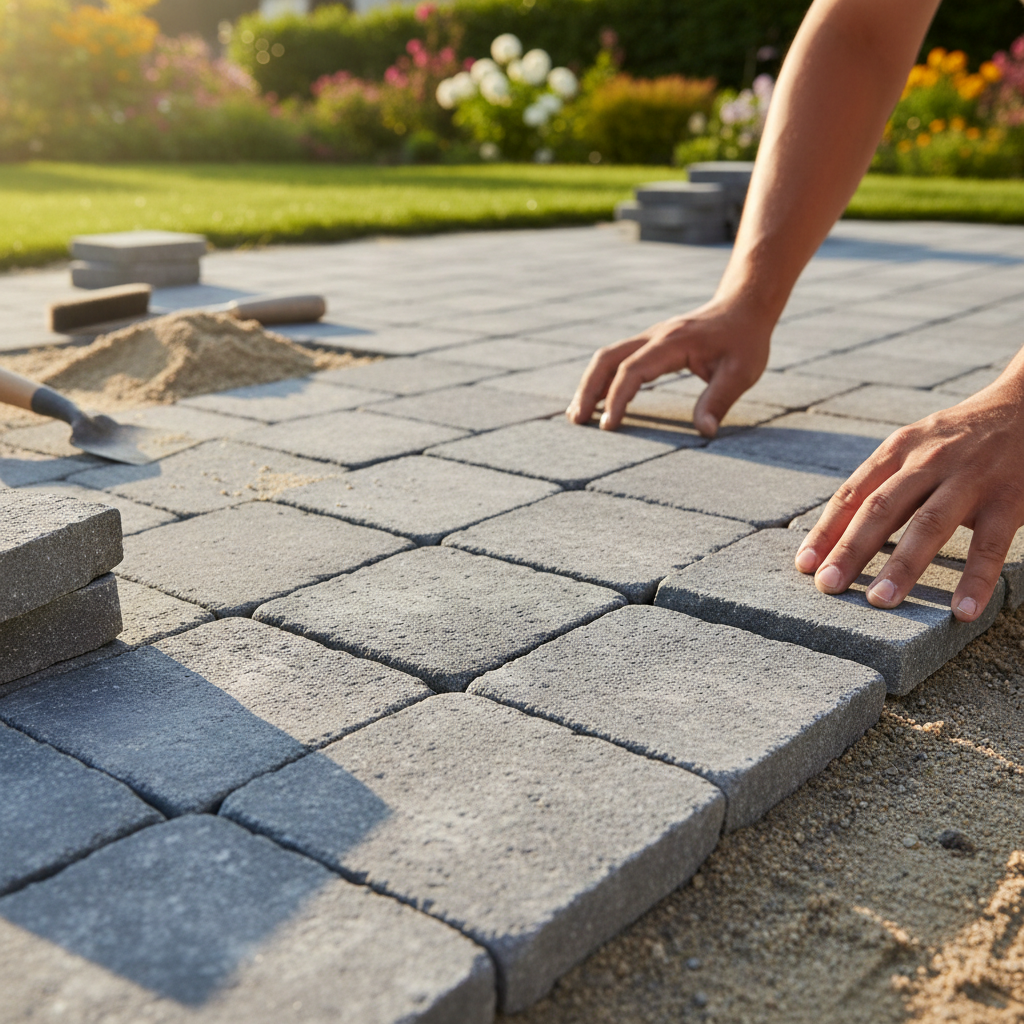
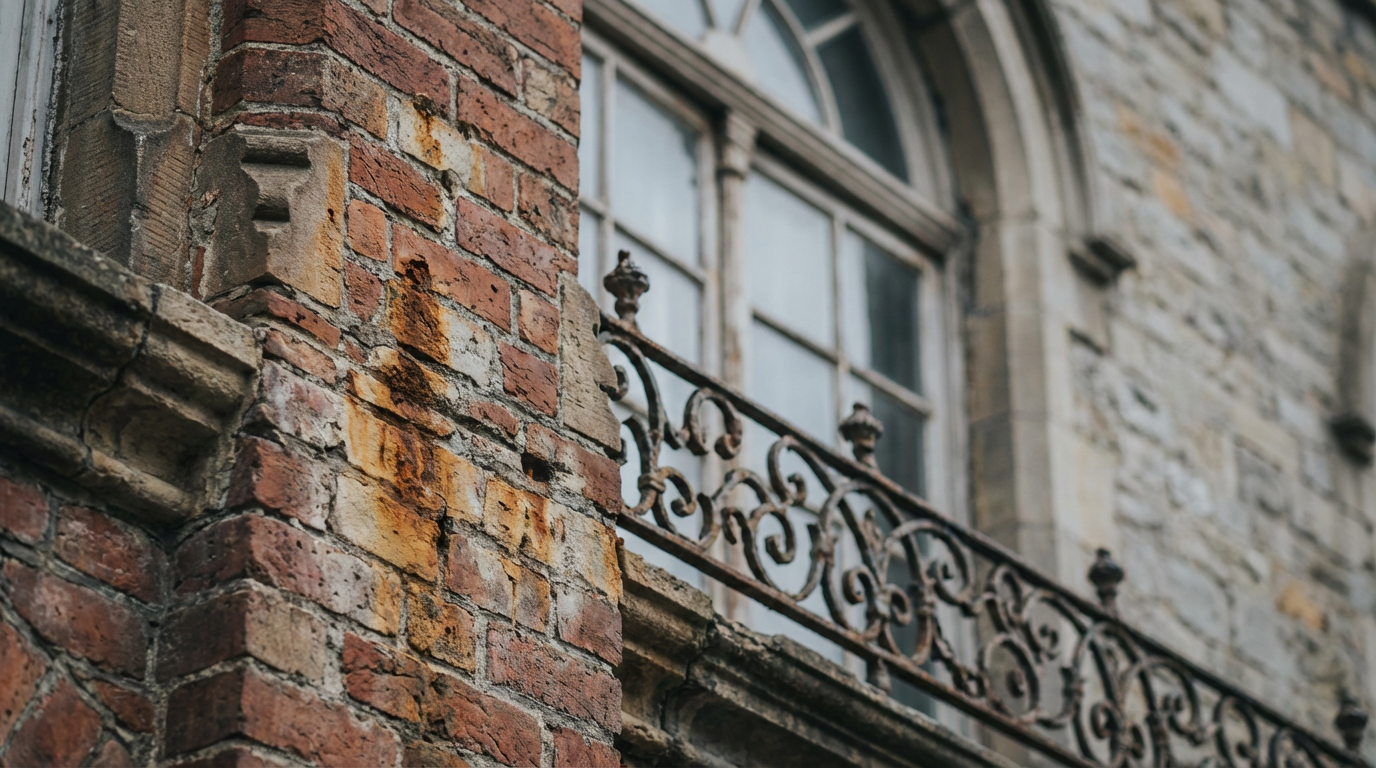
Colour, texture, joint profile and the marks of time all matter when new work meets old.
Tell us what you have noticed, from one failing joint to a larger stretch of facade. A site visit is the place to begin.